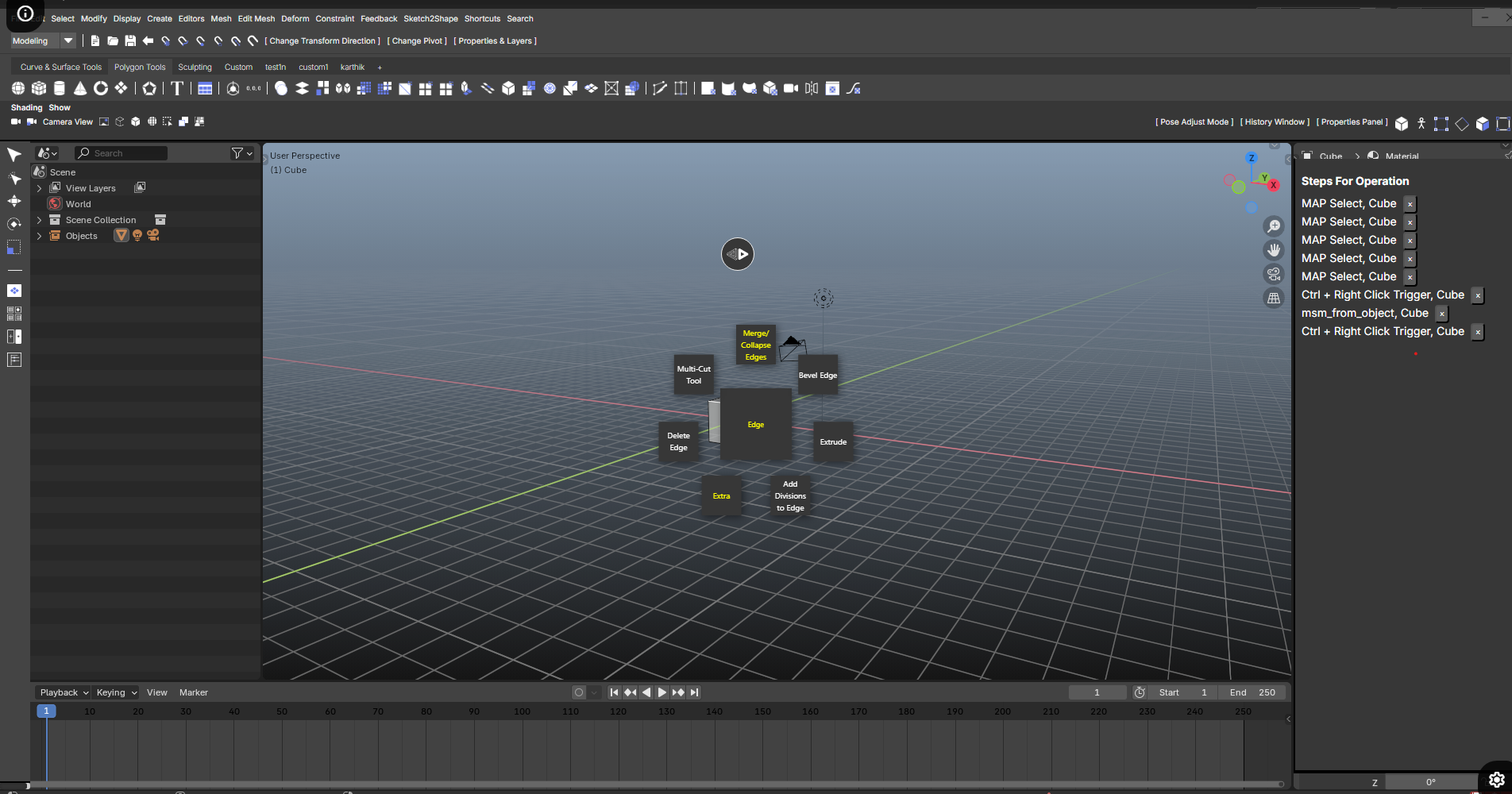
</> Interface preview
Inspect the UI in stills.
A screenshot carousel for quick inspection of workspaces, tools, and pipeline touchpoints.
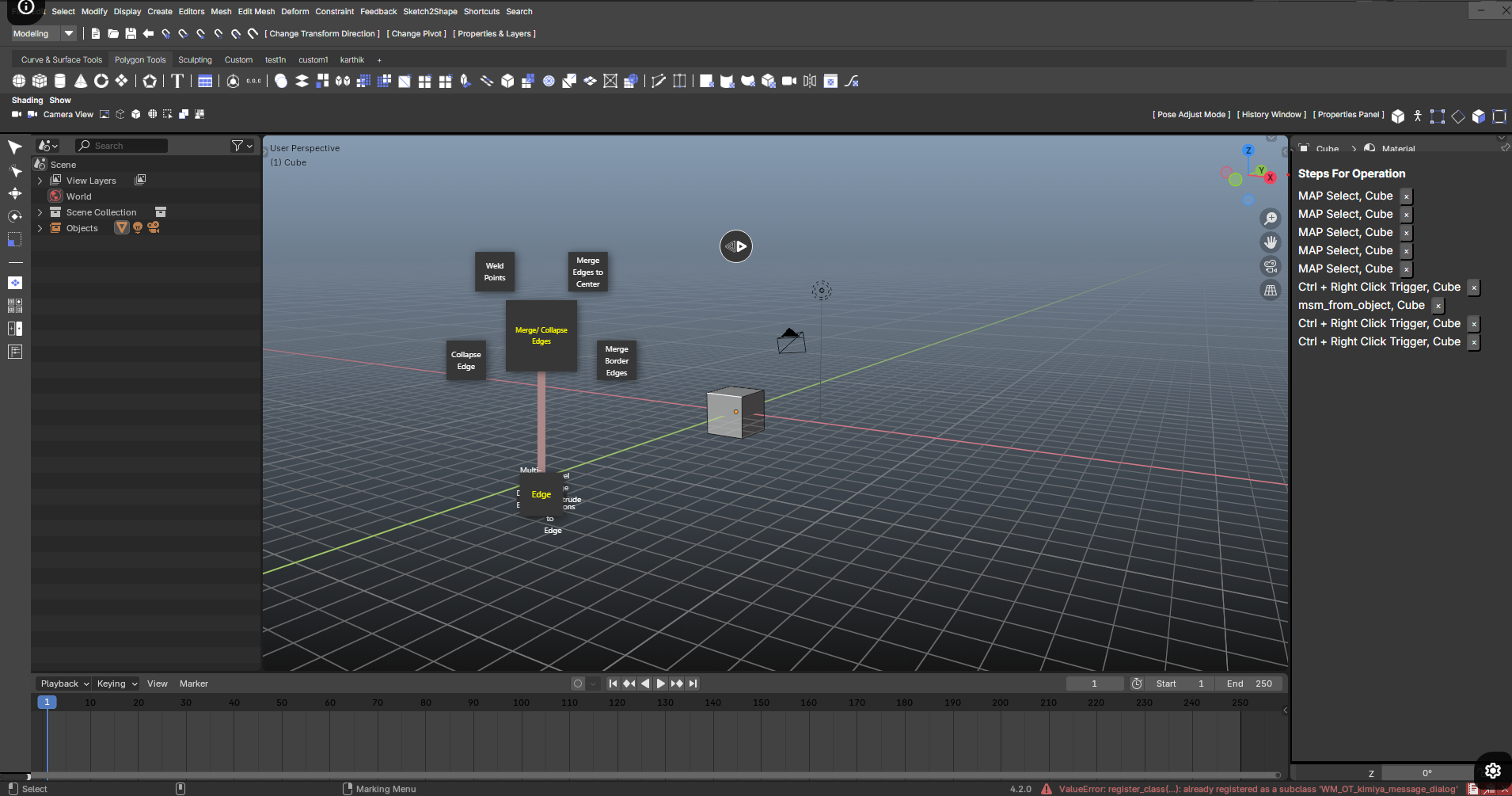
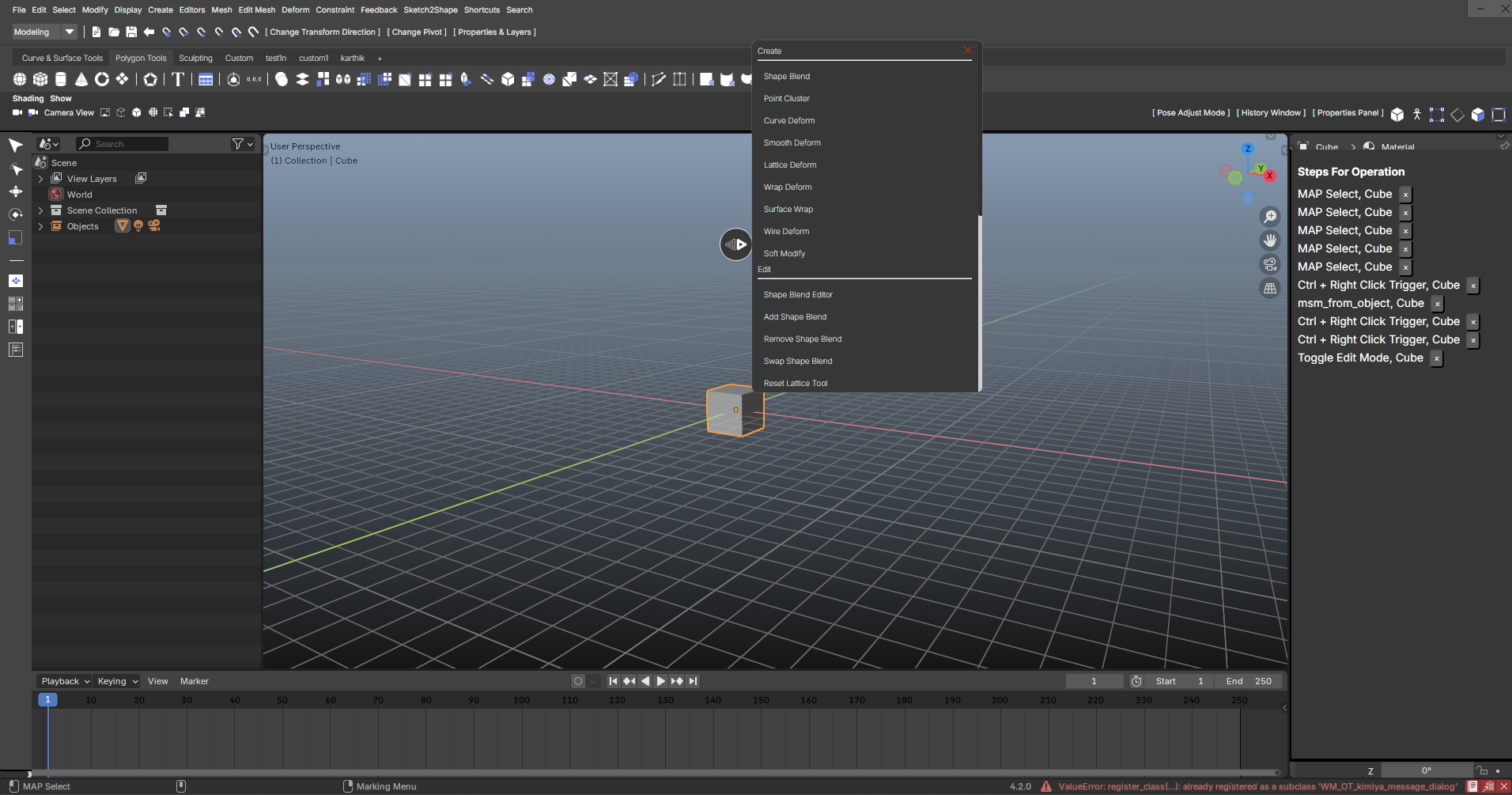
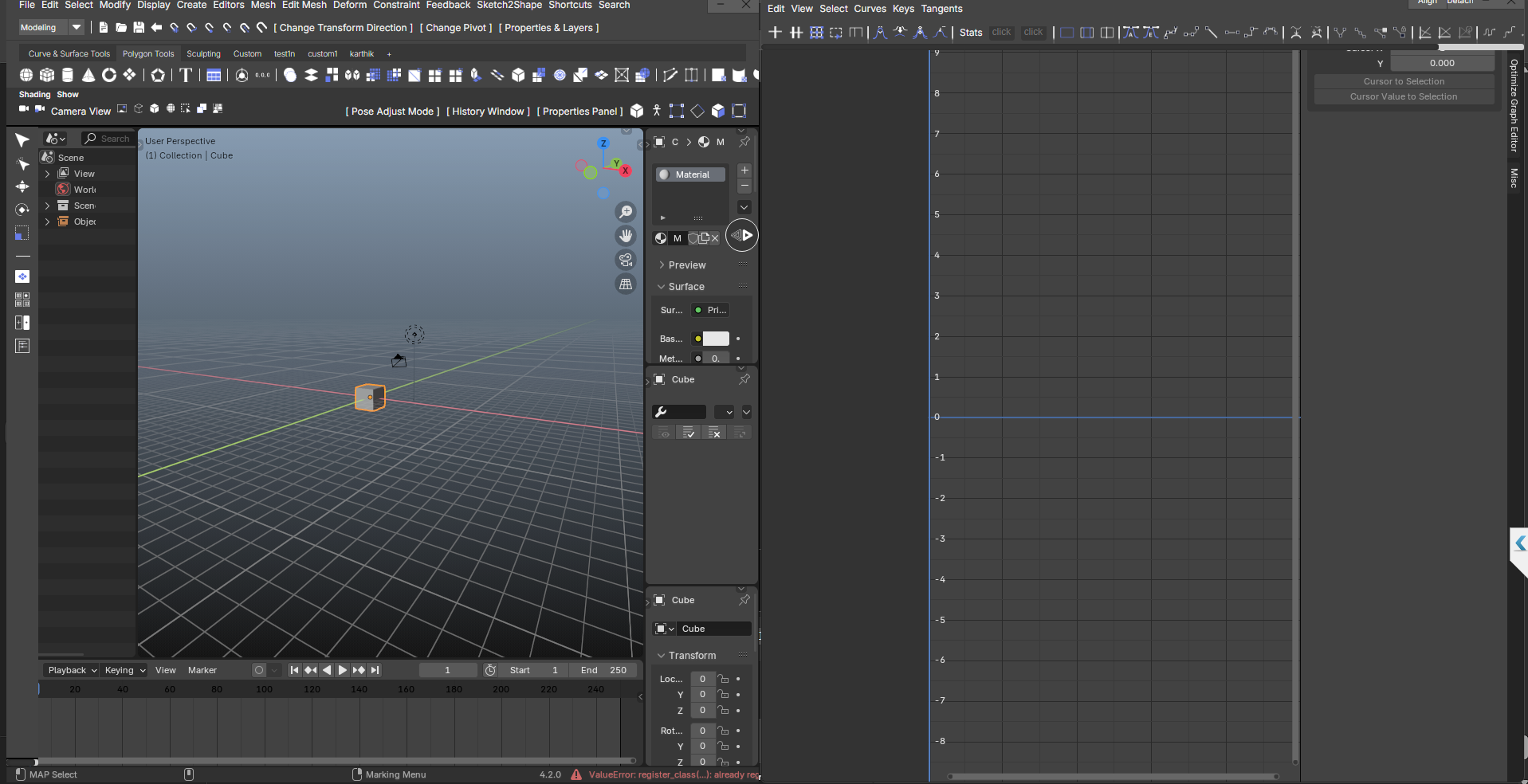
Kimiyaa is built for studios whose artists are fluent in Industry Standard DCC-style hotkeys, interface and workflows — and whose finance teams are running the math on annual subscription costs again. We work with you to evaluate fit before any commitment.
A screenshot carousel for quick inspection of workspaces, tools, and pipeline touchpoints.
You didn't search for an alternative because Industry Standard DCC is bad. Most teams searching are doing so because their finance, hiring, or compliance situation has shifted. Three of those shifts:
No hidden footnotes. The trade-offs studios actually weigh, written down. Pricing detail and methodology lives on the pricing page.
| Industry-standard DCCCommercial · incumbent | Blender®Free · open source | KimiyaaPilot in evaluation | |
|---|---|---|---|
| Per-seat licence cost | Subscription (see methodology) | Free | Lower than commercial DCC by design → pricing |
| Pilot terms | Standard subscription | Free | Structured pilot · terms by application |
| UX familiar to industry-standard DCC-trained artists | ✓ Native | Different conventions | Designed for familiarity |
| Reading .ma / .mb files | ✓ Native | Import only, lossy | Compatibility-first design · scope published per pilot |
| MEL / Python script handling | ✓ Native | Rewrite required | Compatibility roadmap · evaluated against your scripts during pilot |
| Onboarding time per artist | Already trained | Significant retraining | Designed for fast onboarding · measured per-pilot |
| Pipeline integration | Established | May require adjustments | Standard exchange formats first · USD, FBX, Alembic |
| Open-format output | Export | ✓ Native | First-class |
| Generative AI features | Cloud-based | Plugin ecosystem | Optional · local / on-prem deployment available |
| Client IP confidentiality | Cloud AI = uploads | No default cloud | Air-gappable deployment · client IP can stay on your network |
| Pricing predictability | Per published commercial terms | Free | Locked at signing for the pilot term |
| Pilot support | Paid tiers | Community | High-touch · direct from our team |
We've intentionally moved specific cost comparisons off this page. Quoting a competitor's licence price as a live, sliding figure is the kind of presentation that can mislead — even unintentionally — when published prices change region by region and term by term.
Instead, our pricing page publishes our own pricing structure and explains, with sources and dates, how it relates to current commercial industry-standard DCC pricing. If your finance team wants to model your own scenario, that page gives you the inputs to do it cleanly in your own spreadsheet.
A industry-standard DCC-style platform built for studios is only useful if it minimises disruption to the things you already have working. Our design priorities, in order:
Switching production tooling is a risk decision before it's a creative one. A Kimiyaa pilot is structured so the risk is bounded and the off-ramp is real.
We're not going to make pricing-and-terms claims on a marketing page that we wouldn't be able to substantiate to a regulator. Pilot terms are commercial — they vary by studio size and scope, and they're shared in writing during the application process. The pricing page publishes our standard structure and methodology.
Blender® is excellent, free, and improving. The cost most studios face when adopting it is artist retraining time, and the rewriting of industry-standard DCC-era scripts and rigs. Kimiyaa's design priority is to minimise that retraining and rewriting work for studios whose teams are already fluent in industry-standard DCC-style workflows. It is not a Blender® replacement and we don't position it as one — Blender® is a peer in the comparison above.
The pilot is structured to surface that risk in week 1, not month 12 — which is why scoping happens before any installation. Standard exchange formats (USD, FBX, Alembic) are first-class, so most downstream Houdini / Nuke / Substance / render-farm steps see standard data. Where your specific pipeline has bespoke handoffs, those are evaluated up front and either confirmed working, scheduled, or declared out-of-scope before the pilot begins.
The honest answer is: it depends on which scripts. During pilot scoping, we evaluate your Python and MEL footprint against Kimiyaa and produce a written note — what runs as-is, what needs adjustment, what's on the roadmap. We'd rather you read that note before you commit time to evaluation than rely on a blanket marketing claim.
On the application form, list your top five most-used plugins. We respond with which are supported today, which are scheduled, and which we won't be supporting. That answer comes before any commitment — not after. We don't make blanket plugin-compatibility claims because plugin compatibility depends on plugin version, OS, and pipeline integration, and we'd rather get it right per-studio.
Onboarding time is something the pilot measures — we don't claim a fixed number on a marketing page. The platform is designed to minimise it for industry-standard DCC-trained artists, but the actual figure for your studio depends on your specific scenes, scripts, and workflow patterns. The pilot reports the observed number for your team.
Our standard structure and the methodology behind it are published on the pricing page. Specific pilot terms are commercial and shared in writing during the application process. We don't post final-form pricing here because the pricing page is where it can sit alongside its sources and dates, and that's where regulators, journalists, and procurement teams expect to find it.
Yes. The optional generative-AI features have a local / on-prem deployment option, so client IP can stay on your network. There's a cloud option available if your contracts allow it; the choice is per-project. This is one of the more common reasons NDA-bound studios start a pilot with us.
The pilot is structured so the off-ramp is real and the existing toolchain keeps running throughout. Specific exit terms — including any commercial implications — are written into the pilot agreement, not promised on a landing page. Read the terms before you sign; the only commitment we'd ask you to make on this page is to start the conversation.
The catch is the catch every young software company has: we don't have a decade of edge-cases worked through our QA. That's why scoping is rigorous, the pilot is bounded, and the scope is written down before installation. If something specific to your studio doesn't translate, we want to know in week one — not month twelve.
Send us the basics about your studio. We'll respond from a real person on the team — usually within 48 hours — with our standard pilot terms and a scoping call slot. No commitment from this form; it's a conversation starter.
Kimiyaa is built by Kimiyaa.ai.
Address: BLDG NO 5,SHOP NO 8 DAULAT NAGAR, CO-OP HSG, THANE EAST, Thane, THANE, Maharashtra, India, 400603.
Kimiyaa is independent. We are not affiliated with, endorsed by, or sponsored by the Blender® Foundation or any third-party DCC vendor. References to third-party tools on this site are made for comparison and compatibility context only.